Are Solar Panels Worth It in Wales?
 Assured Electricians Cardiff Updated 5 min read NICEIC Approved
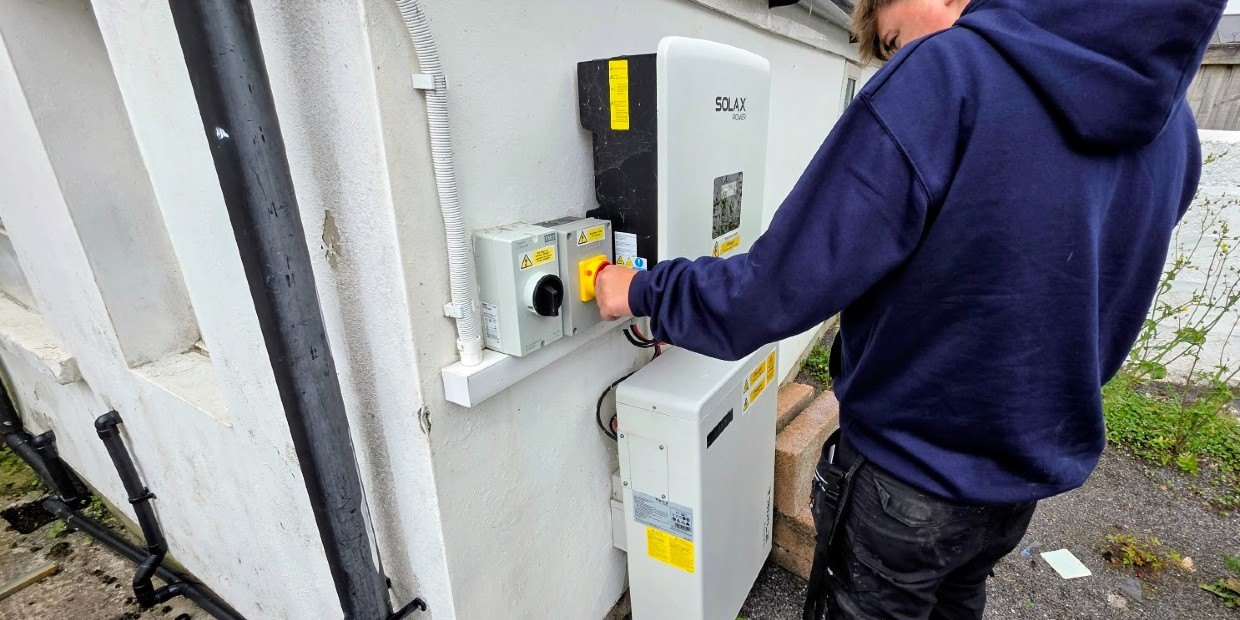
It’s one of the first things people say to us when they are considering installing solar panels. “Does it even work in Wales? It rains all the time here, so surely not?”
To be fair, it’s a genuine question that needs to be answered, and below is an honest answer from an approved installer who fits these systems for a living rather than a sales pitch.
The short answer is that solar panels work better in Wales than most people expect. Whether they’re worth it for your home comes down to a handful of practical things, so let’s go through them properly.
Does Wales Actually Get Enough Sun?
Here’s the bit that surprises people.
Solar panels run on daylight, not heat or blue skies.
They generate electricity from the brightness of the day, even when it’s overcast, which is why a grey afternoon in Cardiff still produces a useful amount of power. Believe it or not, they’re actually slightly more efficient when they’re cool, so a mild Welsh climate suits them better than the baking heat you get further south in Europe.
Cardiff gets a perfectly respectable amount of daylight throughout the year, and you’ll generate more between April and September than you will in the depths of winter, and December is always going to be quiet. But across a full year, a well-positioned roof in South Wales produces enough to make a genuine dent in your bills.
The idea that solar is only for sunny countries simply doesn’t hold up.
What You’ll Actually Save
Since energy prices have climbed, the sums on solar have changed completely. Every unit of electricity you generate and use yourself is a unit you’re not buying from your supplier at the going rate, and that’s where the real savings come from.
On a typical day, a home system quietly covers a lot of the background electricity you’d otherwise be paying for, such as:
- The fridge and freezer running constantly in the background
- Daytime appliances like the dishwasher, washing machine and tumble dryer
- Anything sat on standby around the house
- Home office equipment if you’re working from home
Anything you generate but don’t use can be sold back to the grid through the Smart Export Guarantee, so the panels keep earning even when the house is empty. Payback periods vary depending on your roof, usage, and the size of the system, but most households recoup the cost over the medium term and then enjoy years of cheap daytime electricity. Panels carry long performance warranties and typically continue working well beyond two decades, so they’re very much a long-game rather than a quick win.
The Grants & Funding Question
People often ask about free solar panels in Wales, and it’s worth being clear about this.
There are schemes that can help certain households, such as the Welsh Government-backed Nest scheme and the wider ECO funding provided by energy companies, but they’re aimed at lower-income homes or properties that meet specific criteria. Not everyone qualifies, and the “completely free panels” adverts you see online are rarely the full story.
If you think you might be eligible, it’s genuinely worth checking, because the support available in Wales isn’t the same as in England. For everyone else, the value sits in the long-term savings rather than an upfront handout.
Battery Storage Changes The Maths
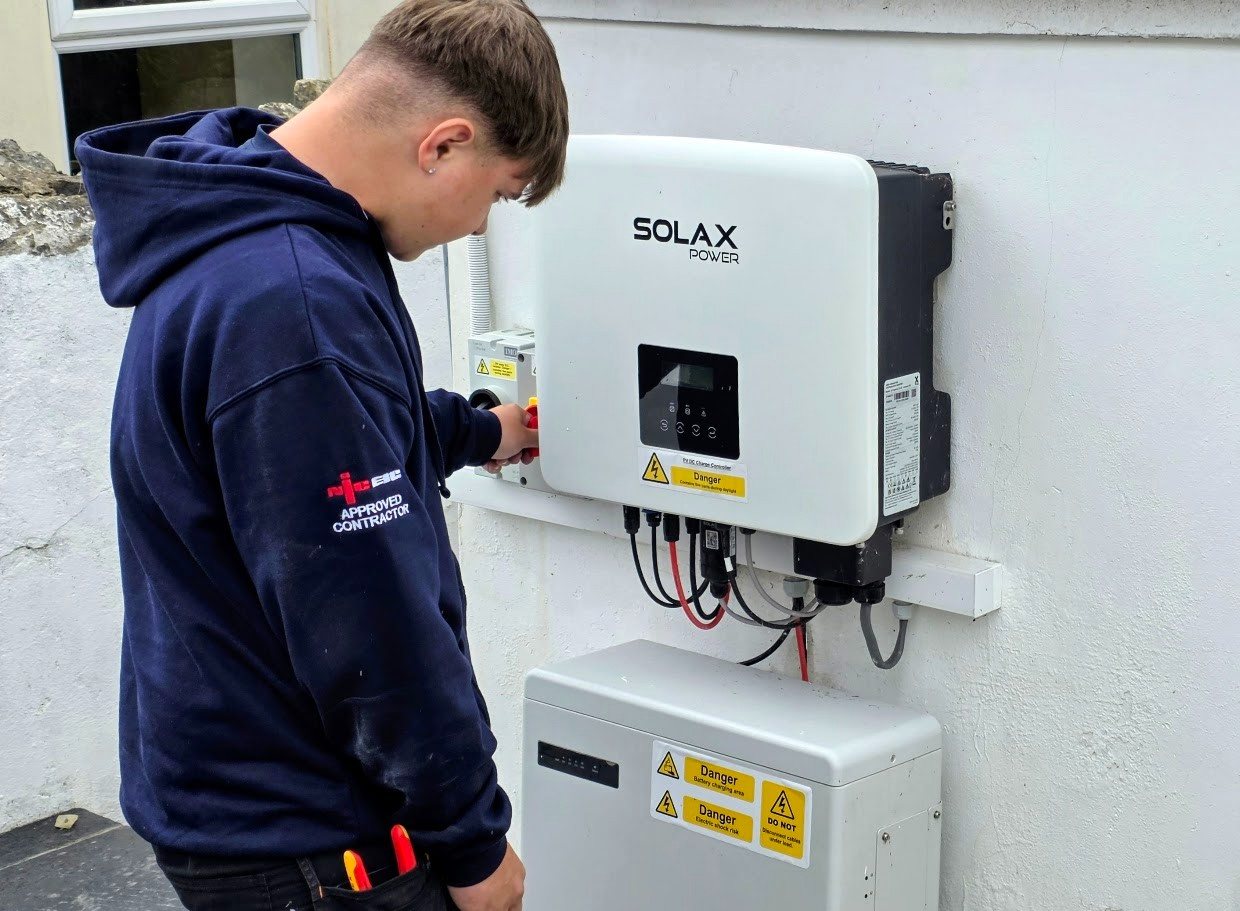
The sun is up during the day, but most families use the bulk of their electricity in the evening when everyone’s home. Therefore, without storage, much of that midday generation is sold back to the grid cheaply rather than used in the house.
Adding a battery lets you store what you make during the day and use it after dark, which keeps far more of your generation in your own home. It’s the single biggest thing that improves the return for a typical household, and it’s something we always talk through when we design a system.
You can keep an eye on what you’re generating, storing and using through monitoring too, which ties in neatly if you’ve already got other smart home kits running.
If You Drive An Electric Car, It Adds Up Fast
If you’ve already got an electric vehicle, or you’re thinking about one, solar and an EV start to work together nicely. Charging your car from your own roof during the day is far cheaper than charging from the grid, and that combination is one of the quickest ways to get real value from a solar setup.
We fit both, so if you want a joined-up system, we can plan the EV charger installation and the solar together rather than as two separate jobs.
So, Are Solar Panels Worth It In Wales?
For most homes, it’s a clear yes, though it does depend on the property. As a rough guide, solar tends to stack up well when you have:
- A reasonable south, east or west facing roof with little shading
- Decent daytime electricity usage, or a battery to store what you generate
- An electric car, or plans to get one
- A long term view rather than expecting an overnight return
However, it isn’t right for absolutely everyone. A heavily shaded roof or an awkward property might not stack up.
For some older homes, we’ll also recommend upgrading the fuse board to a standard one before any solar goes in, since the system ties into your consumer unit and needs to be safe and up to the job first. Either way, we’ll always tell you straight rather than talk you into something that won’t pay off.
The honest answer is that solar in Wales is a sound investment for the right property, and the only way to know for certain is to have someone look at your roof and your energy use properly.
We fit solar for homes and commercial properties across the area, so whatever you’ve got in mind, our electricians in Cardiff will give you a proper breakdown of what your property would generate and how much you’d save.
Get in touch for a free quote, and we’ll tell you honestly whether it’s worth it for you.